
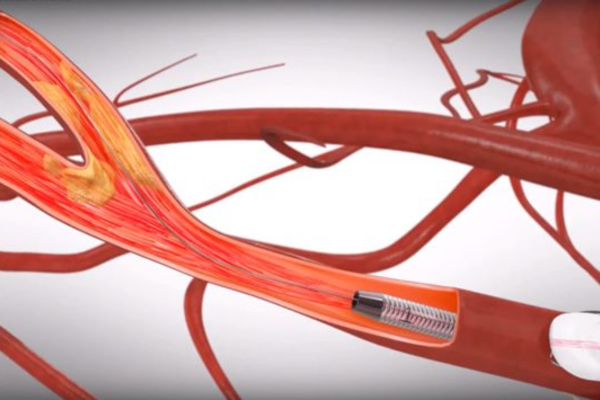
Renal artery narrowing reduces blood flow to kidneys, leading to uncontrolled blood pressure and progressive kidney dysfunction.
Stenting opens the narrowed artery, restores renal perfusion, improves blood pressure control, and prevents further kidney damage using a minimally invasive catheter-based approach.
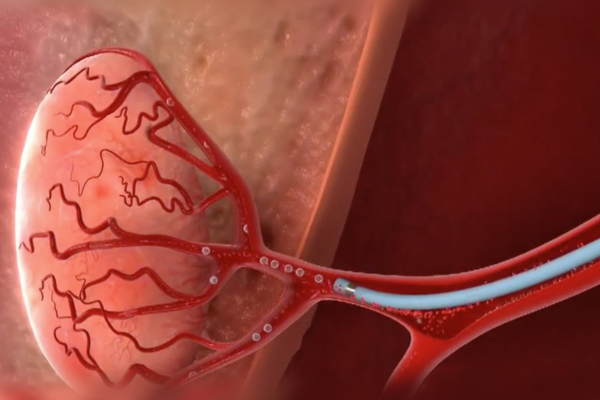
Benign prostatic hyperplasia causes urinary frequency, weak stream, and incomplete bladder emptying, affecting daily life in aging men.
Prostatic artery embolization reduces prostate blood supply, shrinks gland size, improves urinary symptoms, and avoids surgical risks with faster recovery.

Varicocele is abnormal enlargement of scrotal veins causing pain, swelling, or infertility due to impaired blood drainage.
Embolization blocks faulty veins, restores normal circulation, relieves discomfort, improves fertility potential, and avoids surgical incision safely.
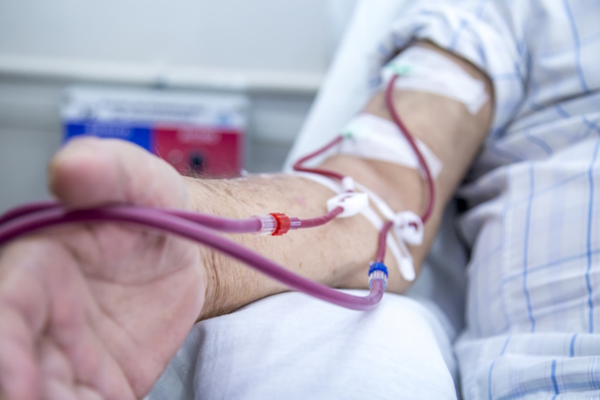
Narrowing or blockage of dialysis access leads to poor blood flow and inadequate dialysis sessions.
Fistuloplasty or venoplasty opens narrowed vessels, restores access function, improves dialysis efficiency, and prevents access failure through minimally invasive treatment.
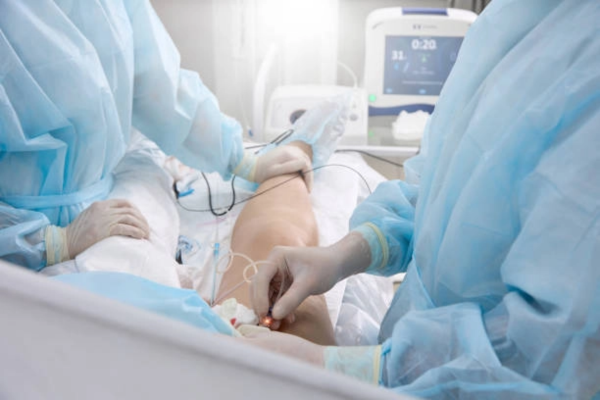
Renal cell carcinoma is a kidney tumor often detected incidentally and may cause pain, blood in urine, or reduced kidney function in advanced stages.
Radiofrequency ablation uses heat to destroy tumor tissue through needles, preserves healthy kidney tissue, avoids surgery, shortens recovery, and offers effective cancer control in selected patients.
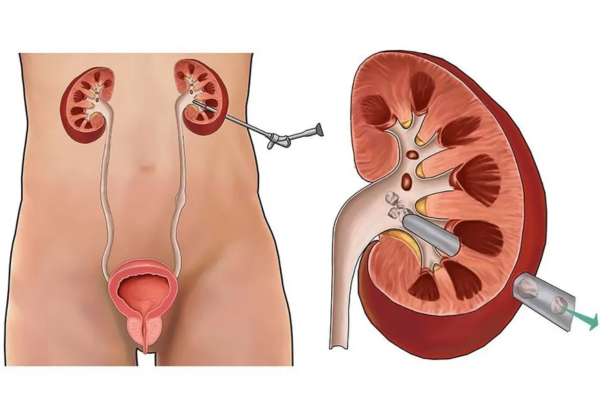
Percutaneous nephrostomy is a procedure to relieve urinary obstruction when urine cannot drain normally from the kidney.
A catheter is placed through the skin into the kidney to drain urine, reduce pressure, control infection, relieve pain, protect kidney function, and stabilize patients for definitive treatment or further surgical management planning.
Copyright © 2025 Dr. K S V Surya Teja Reddy – All Rights Reserved by Galaxy Tech Solutions