
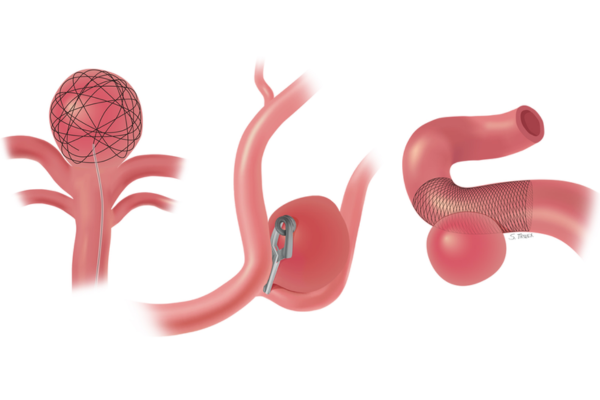
Comprehensive Advanced Neuro Interventional Care

Aneurysm Coiling

Minimally invasive procedure sealing aneurysms to prevent rupture and protect brain circulation safely.
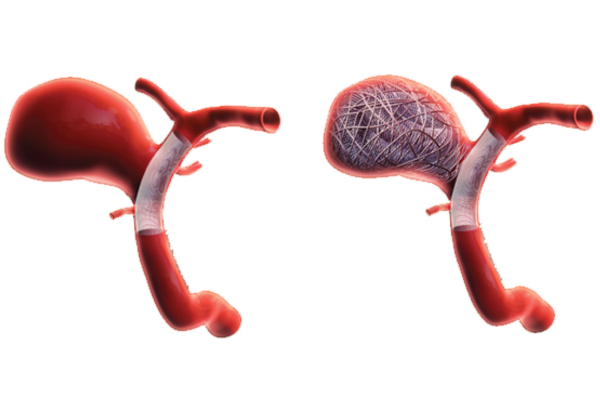
Flow Diverter Treatment for Aneurysm

Treats complex aneurysms by redirecting blood flow safely.

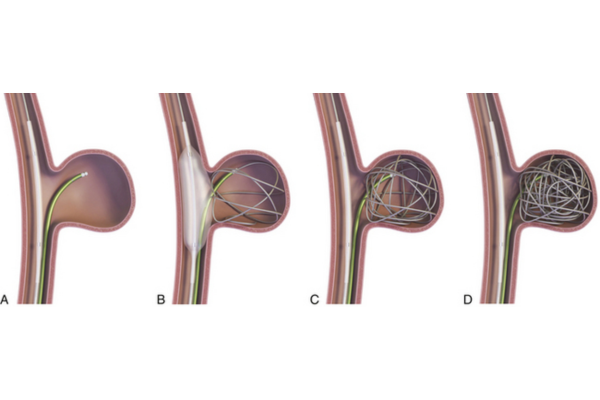
Stent / Balloon Assisted Coiling

Supports coil placement in complex aneurysms, ensuring safe sealing.
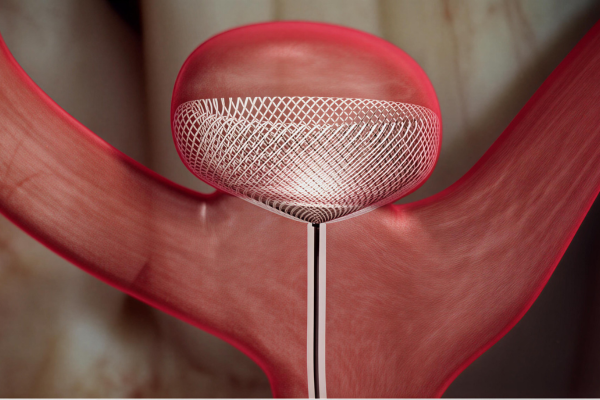
Intrasaccular Devices for Aneurysm (WEB, Contour)

Seals aneurysms internally without stents, preserving normal blood flow.
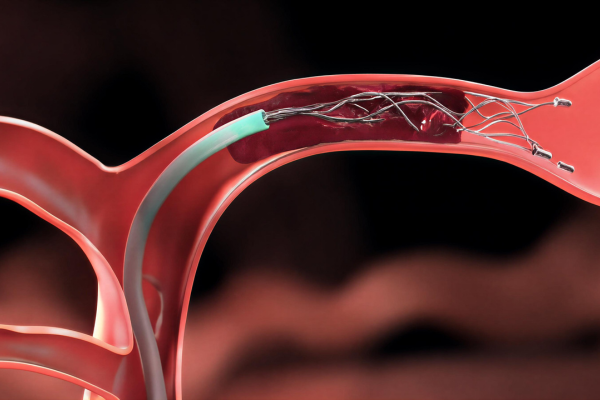
Mechanical Thrombectomy for Acute Ischemic Stroke

Emergency clot removal restoring blood flow during acute stroke.
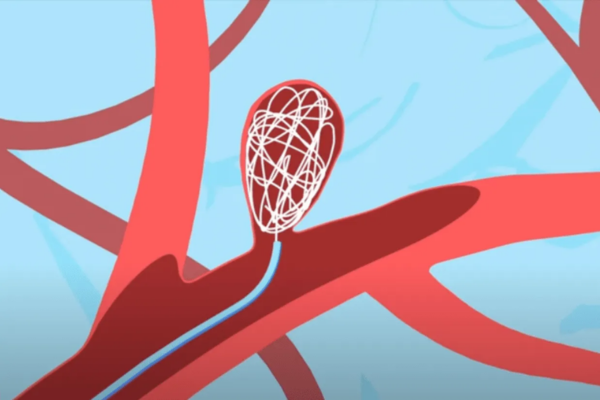
Diagnostic Cerebral and Spinal Angiograms (DSA)

Advanced imaging to visualize brain and spinal blood vessels.
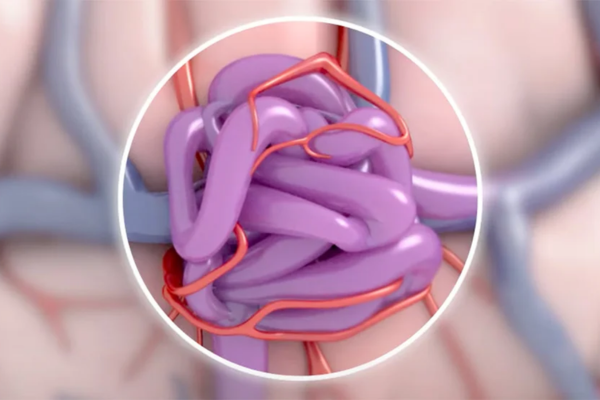
Cranial Vascular Malformations Embolization

Blocks abnormal brain vessels to prevent bleeding and neurological complications.
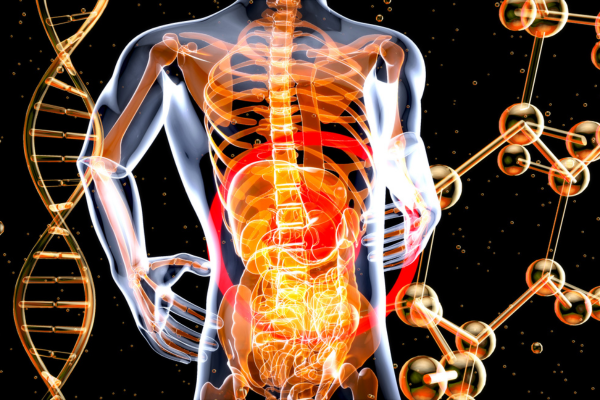
Spinal Vascular Malformations Embolization

Treats abnormal spinal vessels to prevent neurological damage safely.
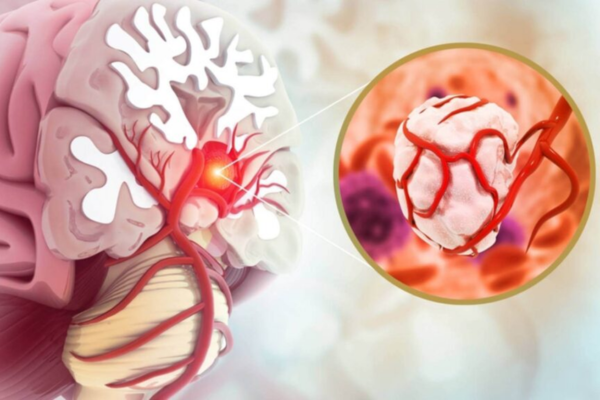
Cranial and Spinal Tumour Embolization

Reduces tumor blood supply to improve surgical safety and outcomes.

Intra-arterial Chemotherapy for Retinoblastoma

Delivers targeted chemotherapy directly to eye tumors, preserving vision safely.
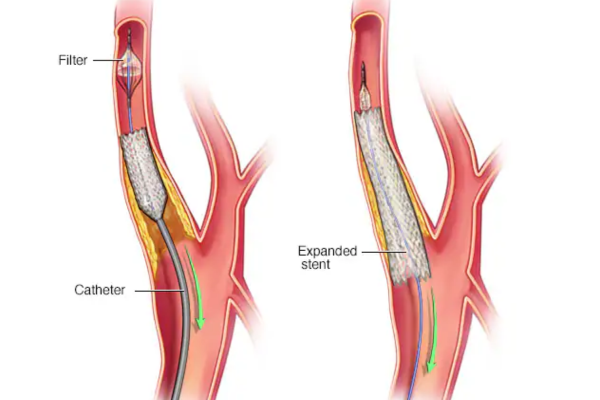
Carotid and Vertebral Artery Stenting

Restores brain blood flow by opening narrowed carotid and vertebral arteries.
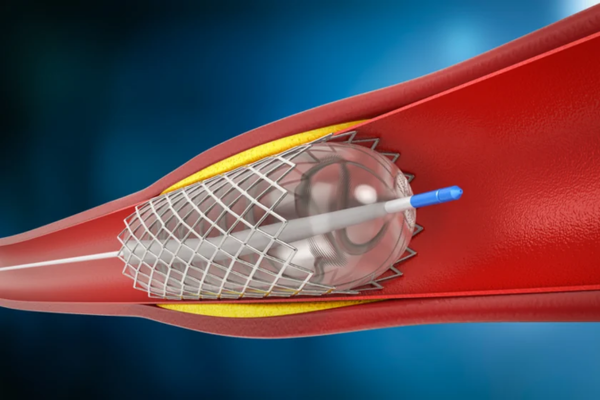
Intracranial Stenting

Opens narrowed brain arteries, restoring blood flow and reducing recurrent stroke risk safely effectively.
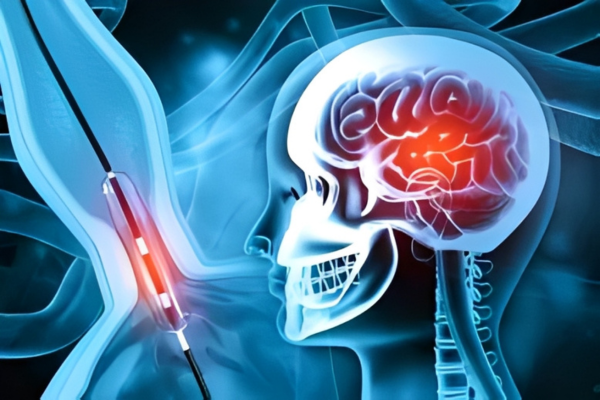
Venous Sinus Stenting

Restores venous drainage, lowers intracranial pressure, relieves headaches, and protects vision in affected patients.
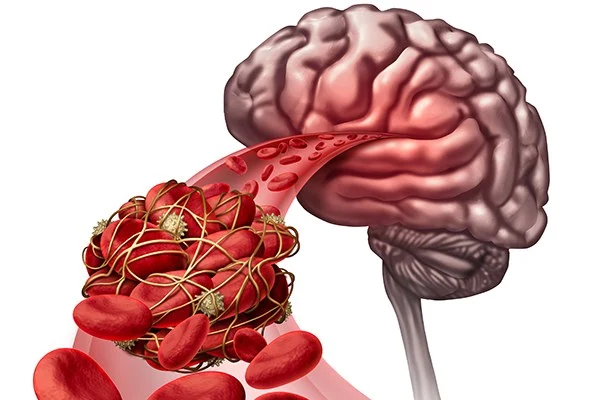
Thrombectomy for Resistant Venous Sinus Thrombosis

Restores brain blood flow by opening narrowed carotid and vertebral arteries.

Inferior Petrosal Sinus Sampling

Identifies source of hormone excess by precise pituitary venous sampling.
Epistaxis and Skull Base Tumors Embolization

Controls severe nasal and skull base tumor bleeding effectively.
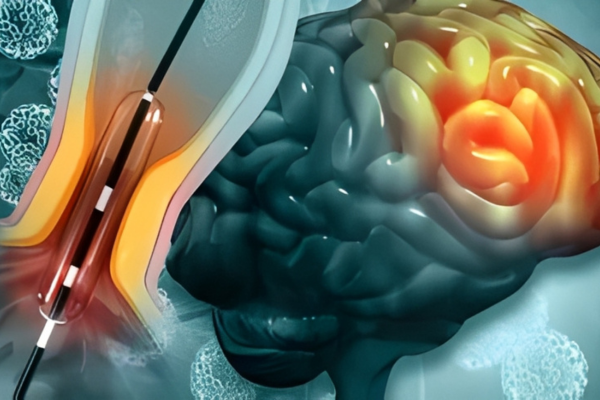
Balloon Test Occlusion

Assesses brain tolerance to vessel blockage, ensuring safety before permanent arterial occlusion procedures.
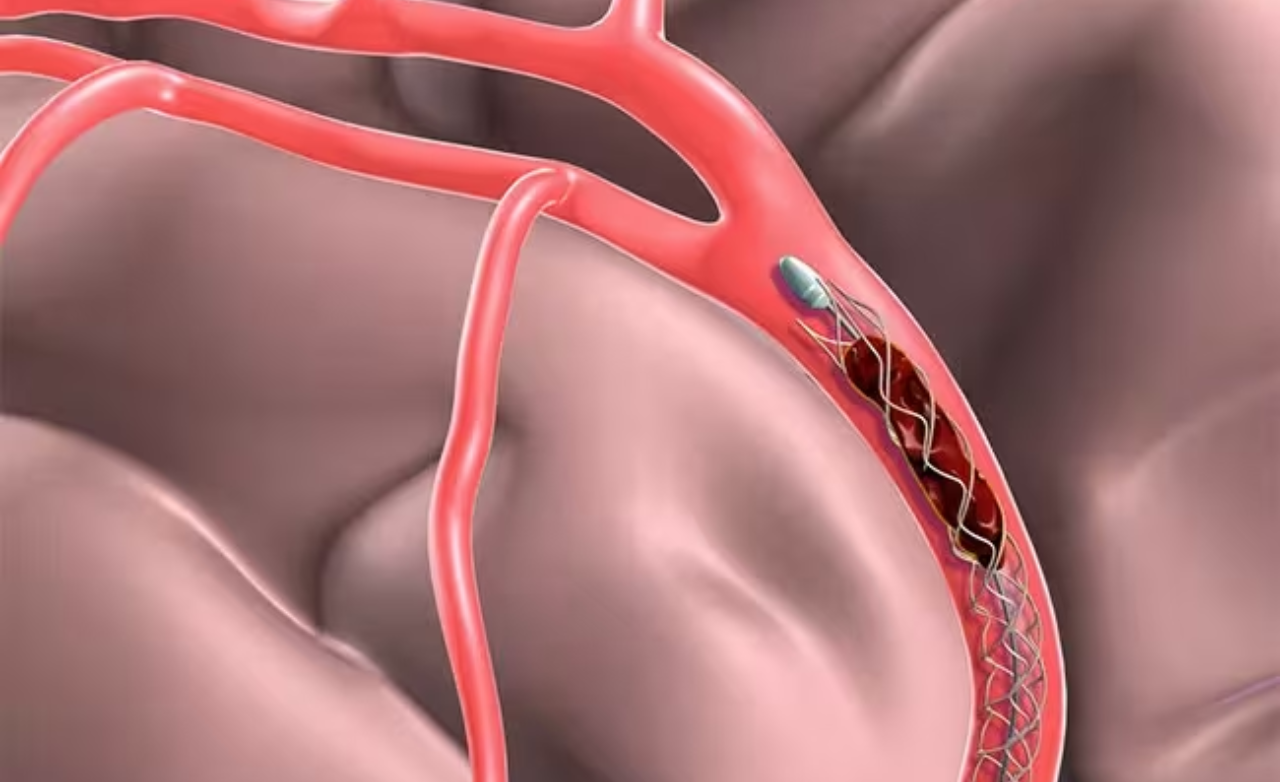
MMA Embolization for Chronic Subdural Hematoma

Prevents recurrent subdural bleeding

Mechanical Thrombectomy for Acute Stroke

Restores blood flow by removing clots, improving outcomes and reducing disability in acute stroke patients.
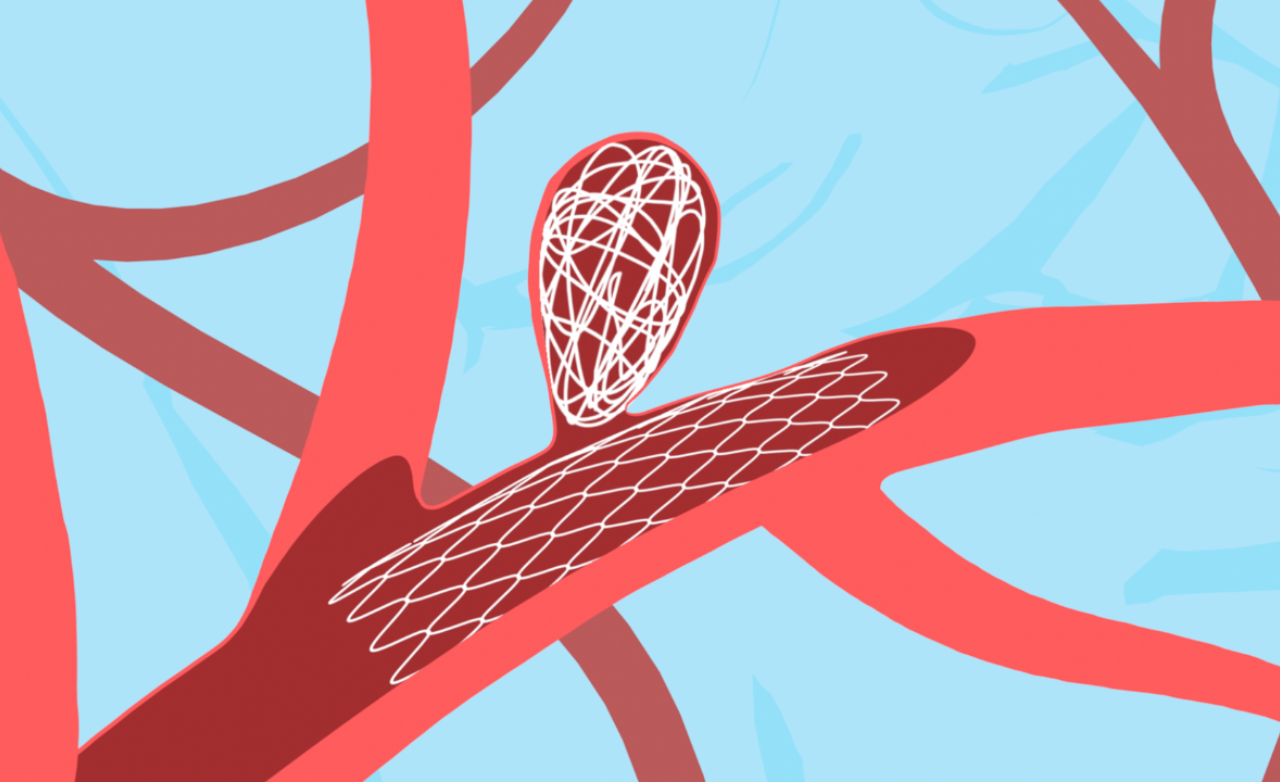
Aneurysm Coiling

Minimally invasive technique using soft coils to block aneurysm flow, preventing rupture and ensuring long-term vascular stability.
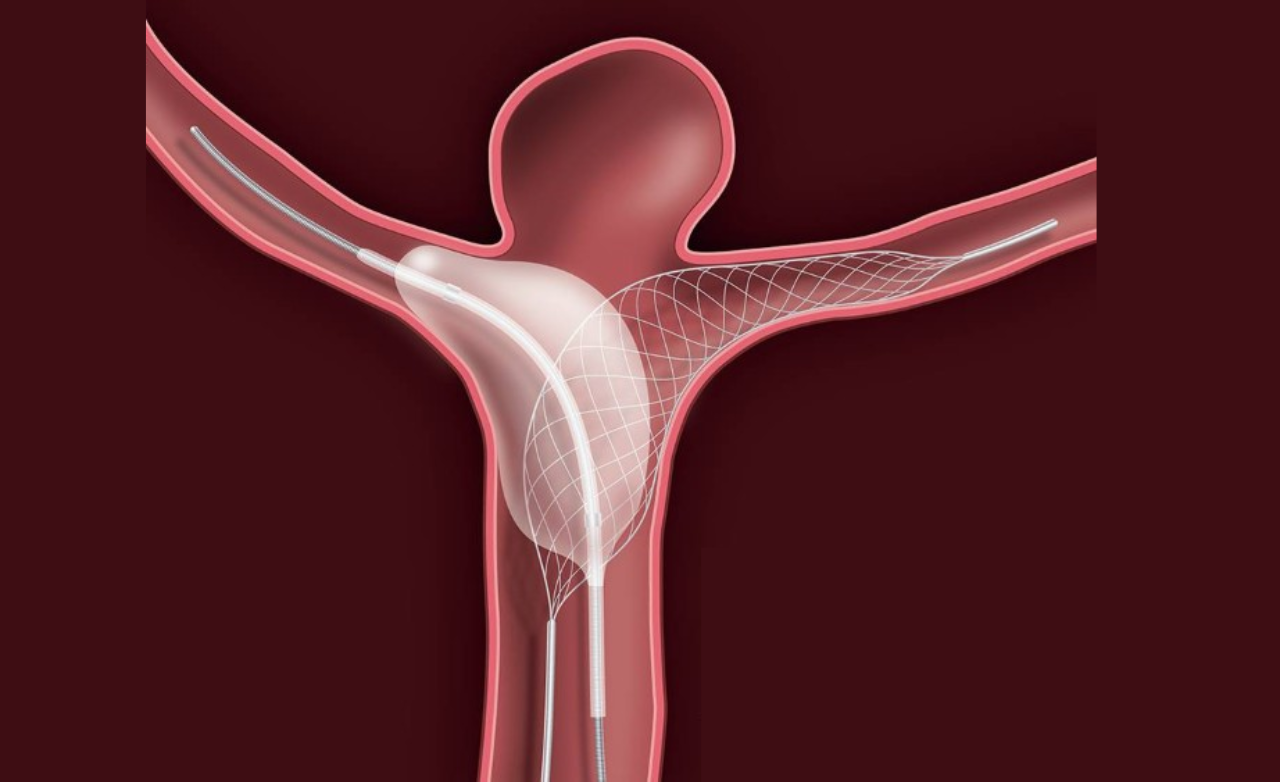
Balloon / Stent-Assisted Coiling of Aneurysms

Provides support for wide-neck aneurysms, ensuring secure coil placement and safer, more effective treatment.
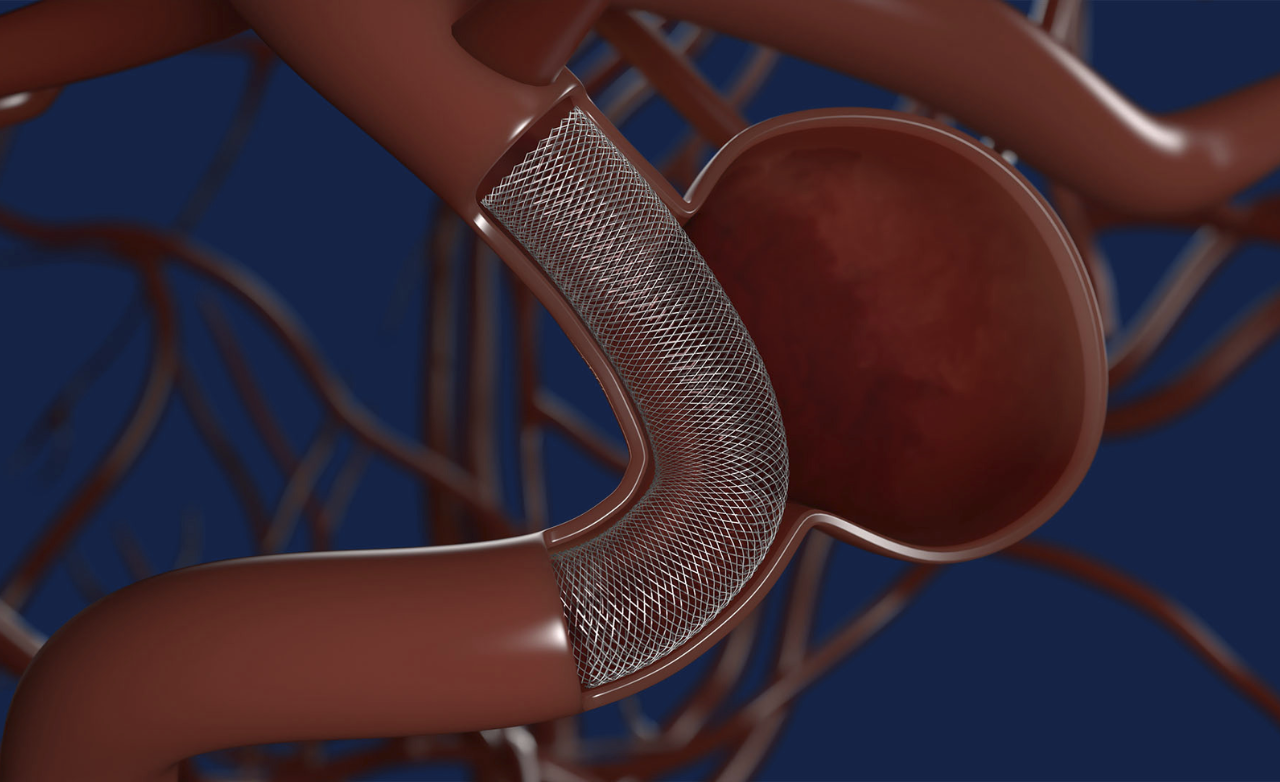
Flow Diverter for Aneurysm

Enhances treatment by redirecting blood flow away from the aneurysm, promoting gradual healing, improving vessel stability, and ensuring stronger, durable protection against future rupture.
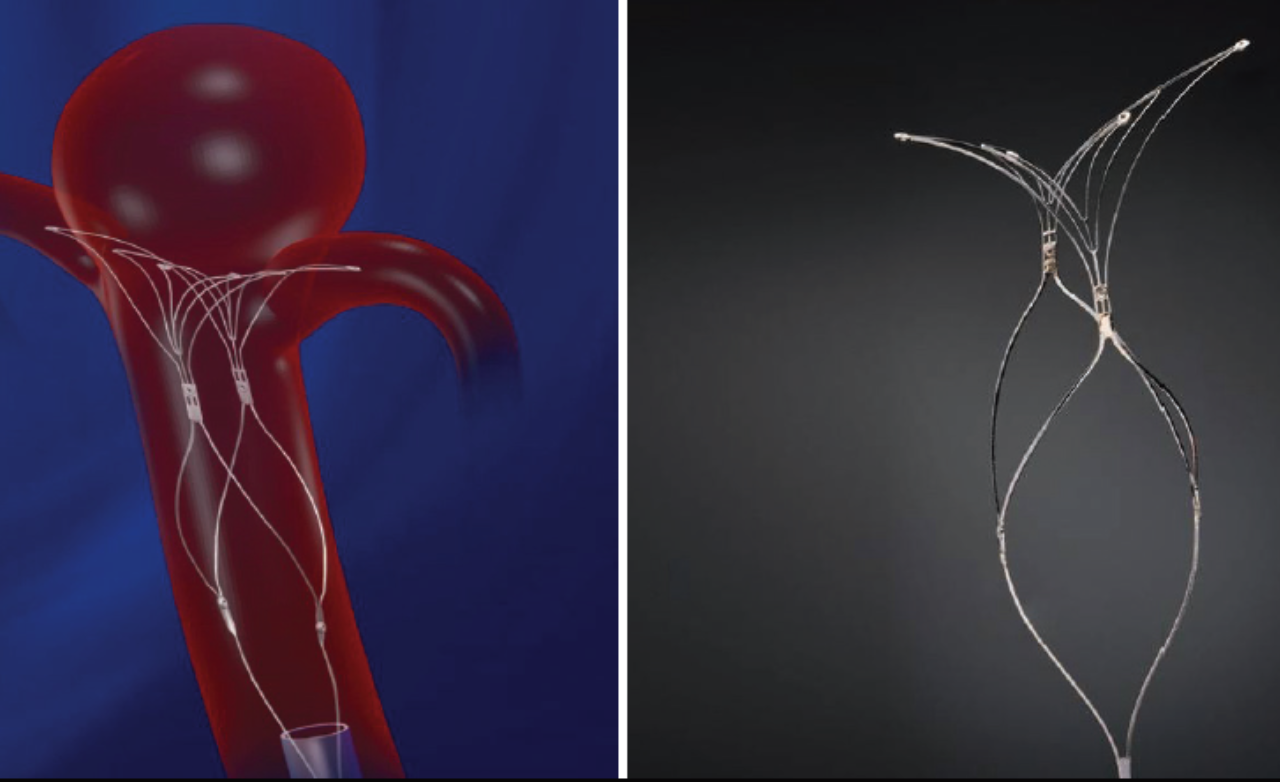
Intrasaccular Devices for Aneurysms

Placed directly inside the aneurysm sac, these devices offer targeted treatment with minimal vessel manipulation for improved safety.
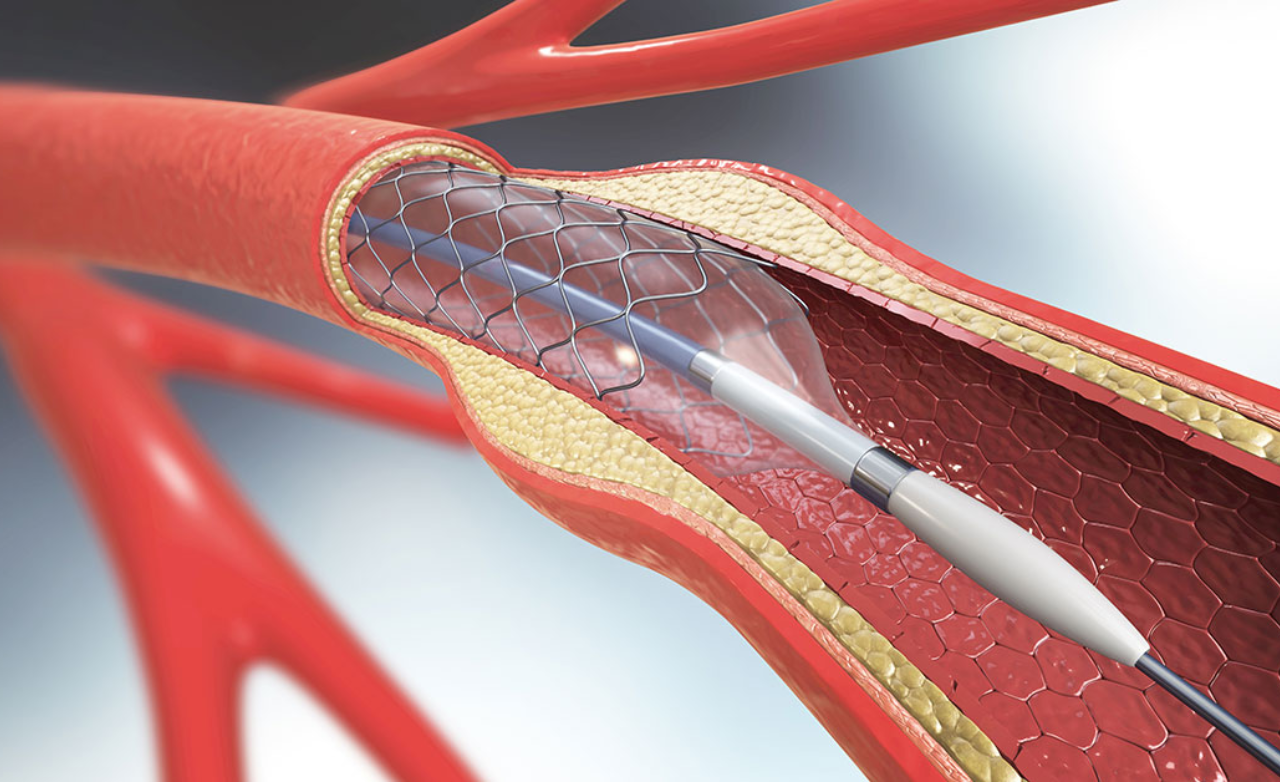
Carotid / Vertebral Stenting

Opens narrowed arteries supplying the brain, improving blood flow and reducing stroke risk through a precise, minimally invasive procedure.
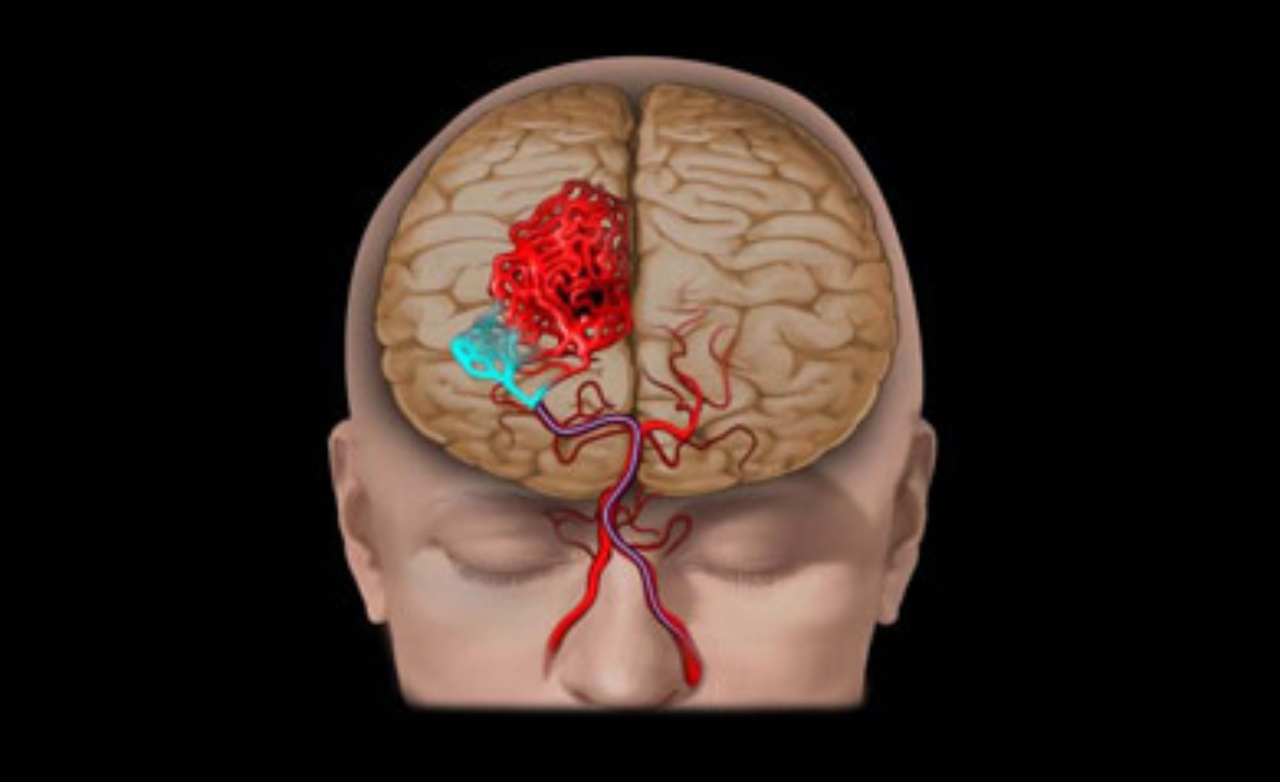
Embolisation of AVM

Blocks abnormal blood vessel connections to reduce bleeding risks, shrink the malformation, and prepare for further treatment if needed.
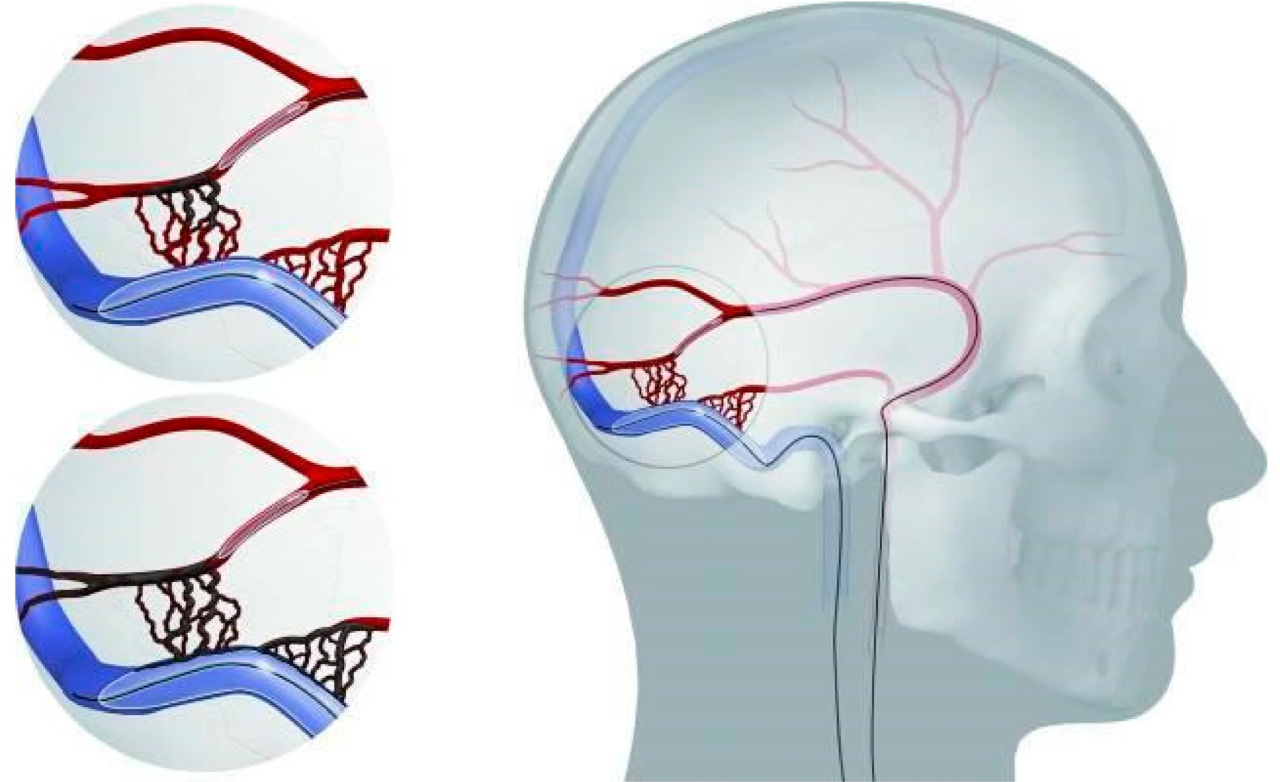
Embolisation of Dural AVF

Closes abnormal artery-to-dura connections, relieving symptoms & preventing complications through targeted, imageguided vascular treatment.
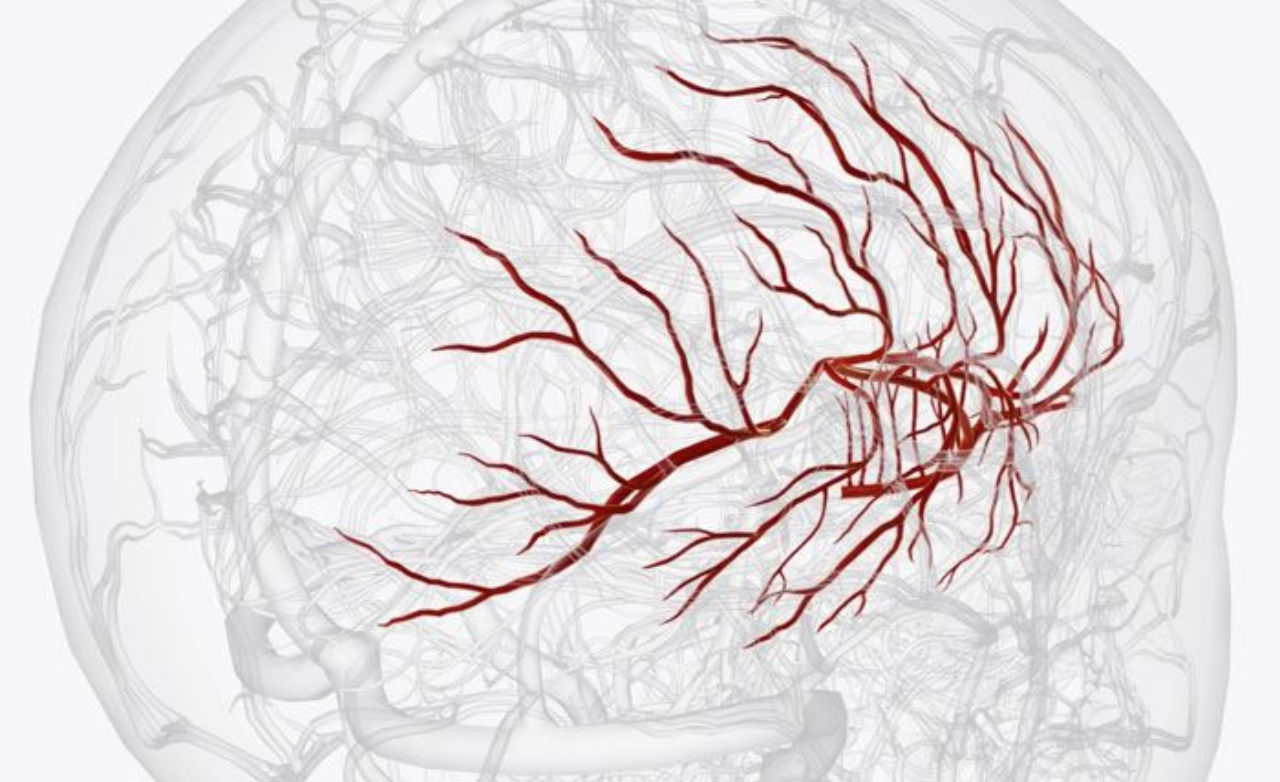
MMA Embolisation

Treats chronic subdural hematoma by blocking the middle meningeal artery, reducing recurrence and supporting faster, safer recovery.
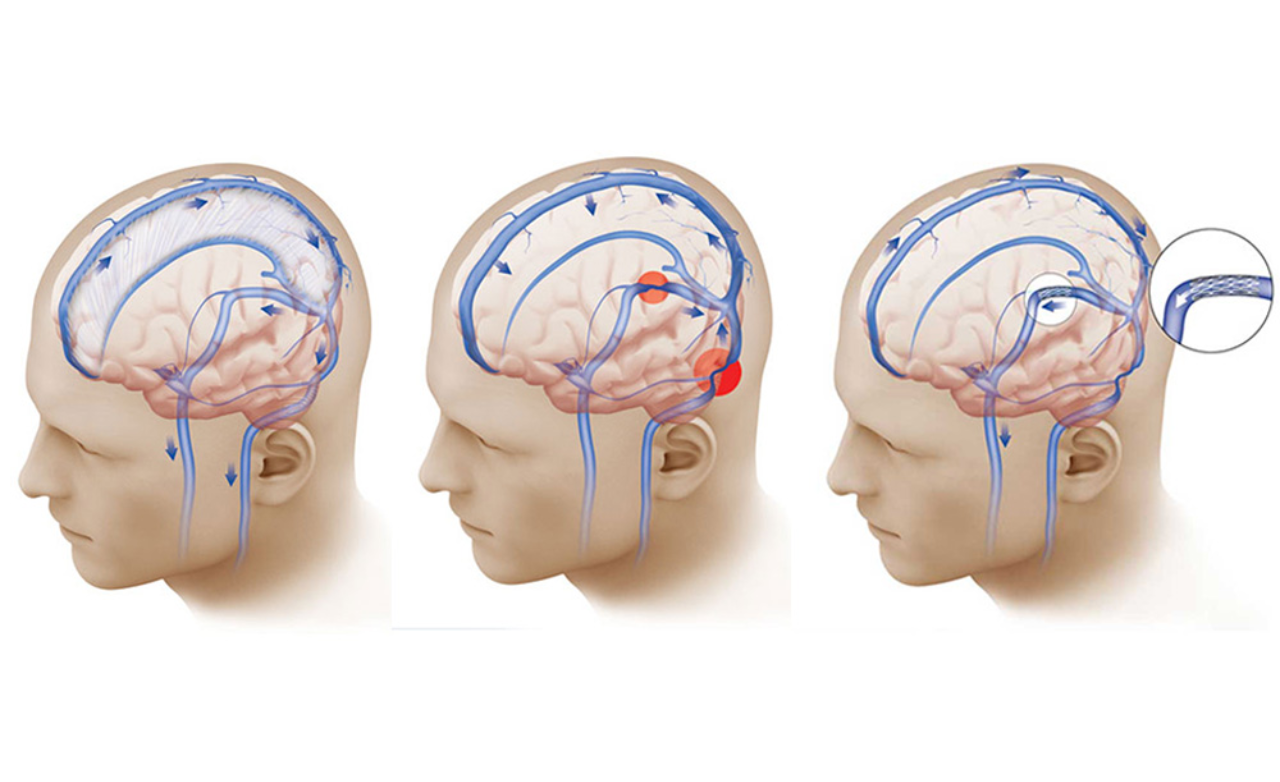
Venous Sinus Stenting

Restores venous drainage by widening narrowed sinuses, lowering intracranial pressure and symptoms.
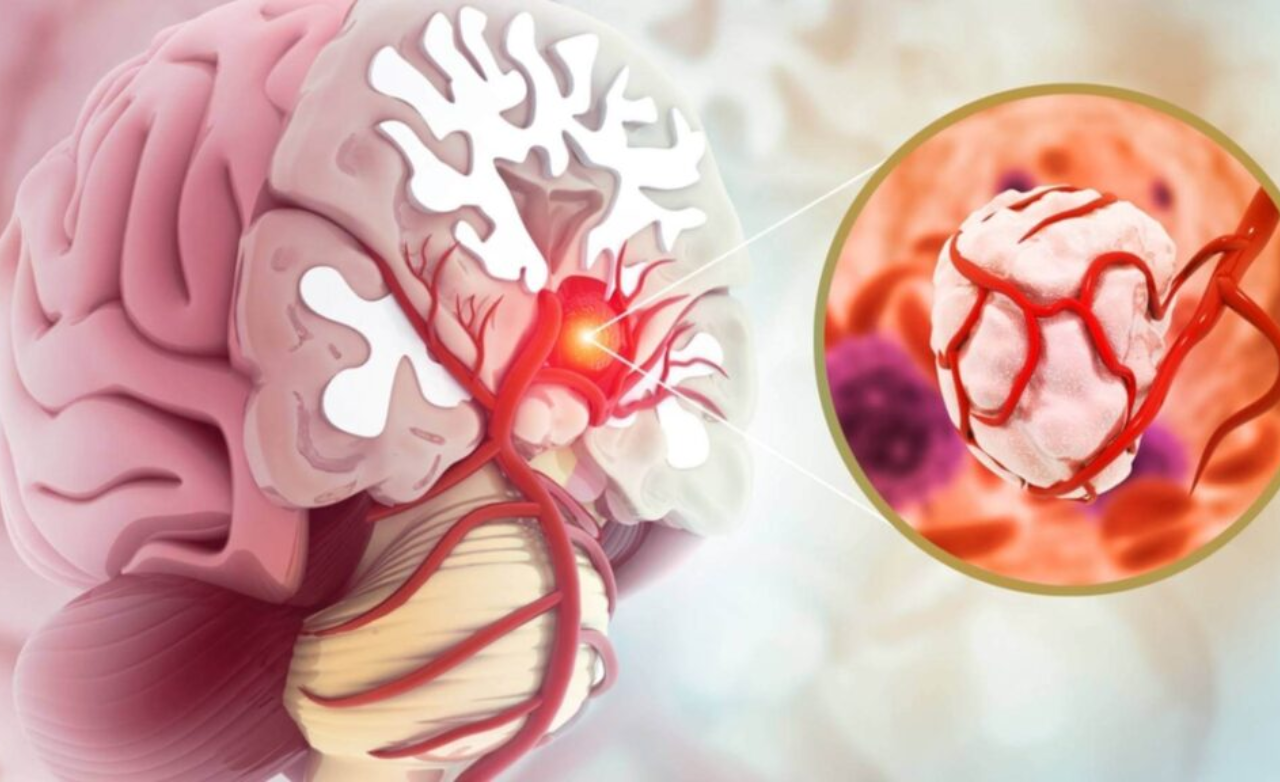
Embolisation of Tumors

Cuts off blood supply to tumors, reducing size, minimizing surgical bleeding, and enhancing overall treatment effectiveness.
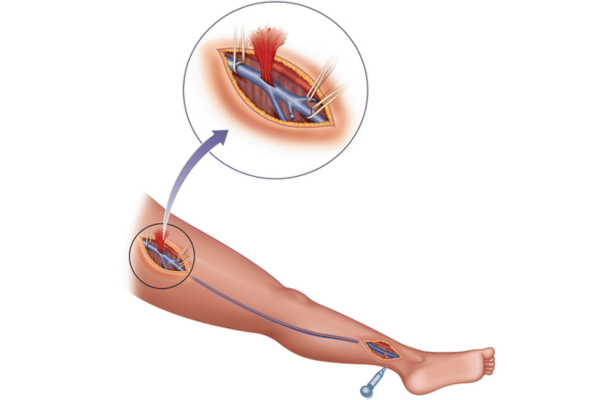
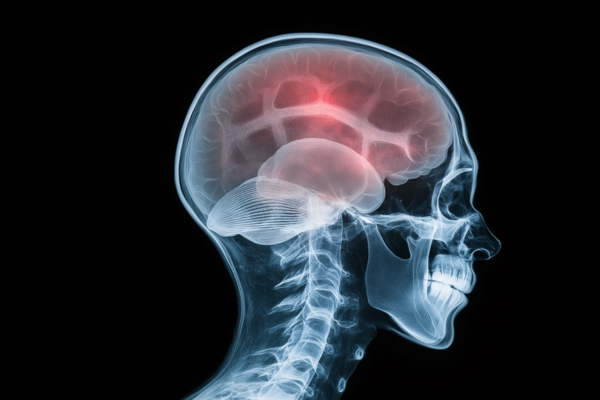
Comprehensive Advanced Neuro Interventional Care

Aneurysm Coiling

Minimally Invasive Aneurysm Treatment

Aneurysm coiling is a minimally invasive procedure used to treat brain aneurysms by preventing rupture. It is performed when weakened blood vessels balloon and pose a serious risk of bleeding.

Using thin catheters, soft coils are placed inside the aneurysm to block blood flow, reduce pressure, and safely prevent future bleeding.

  • Symptoms : Headaches, vision problems, weakness, seizures, sudden neurological deficits.
  • Causes : Vessel weakness, high blood pressure, smoking, genetics, aging.
  • Benefits : Prevents rupture, reduces bleeding risk, improves long-term brain outcomes.

Flow Diverter Treatment for Aneurysm

Healing Complex Brain Aneurysms

Flow diverter treatment is a minimally invasive procedure used to treat complex brain aneurysms that are difficult to manage with surgery or coiling. It is commonly recommended for wide-neck or hard-to-reach aneurysms.

A special device is placed inside the parent artery to redirect blood flow away from the aneurysm, allowing it to heal naturally while maintaining normal brain circulation.

  • Symptoms : Headaches, vision disturbances, neurological weakness, seizures, sudden deficits.
  • Causes : Vessel wall weakness, hypertension, smoking, genetics, aging.
  • Benefits : Promotes natural healing, reduces rupture risk, preserves circulation.

Stent / Balloon Assisted Coiling

Advanced Support for Aneurysm Coiling

Stent or balloon assisted coiling is used for wide-neck brain aneurysms where simple coiling is unsafe or insufficient. These techniques support the aneurysm neck during treatment.

They help keep coils securely in place, prevent coil movement, and improve long-term aneurysm sealing safely.

  • Symptoms : Headaches, vision problems, weakness, seizures, neurological deficits.
  • Causes : Weak vessel walls, hypertension, smoking, genetics, aging.
  • Benefits : Improves coil stability, prevents rupture, enhances treatment safety.

Intrasaccular Devices for Aneurysm (WEB, Contour)

Direct Internal Aneurysm Sealing

Intrasaccular devices are placed directly inside the aneurysm sac to block blood flow at its origin. They are useful for select wide-neck aneurysms.

These devices seal the aneurysm internally without affecting the parent artery or surrounding brain circulation.

  • Symptoms : Headaches, vision changes, seizures, neurological weakness.
  • Causes : Vessel wall weakness, genetics, hypertension, smoking.
  • Benefits : Seals aneurysm safely, preserves parent artery flow.

Mechanical Thrombectomy for Acute Ischemic Stroke

Rapid Stroke Clot Removal

Mechanical thrombectomy is an emergency procedure for strokes caused by blocked brain arteries. It is performed when sudden weakness, speech difficulty, or paralysis occurs.

Special catheters remove the clot quickly, restoring blood flow, minimizing brain damage, and significantly improving recovery when done within the treatment window.

  • Symptoms : Sudden weakness, speech difficulty, facial droop, paralysis.
  • Causes : Blood clots, atrial fibrillation, artery blockage.
  • Benefits : Restores circulation, limits brain damage, improves recovery.

Diagnostic Cerebral and Spinal Angiograms (DSA)

Precise Brain Vessel Imaging

DSA is an advanced imaging procedure used to study blood vessels of the brain and spinal cord in real time. It helps identify aneurysms, blockages, and vascular malformations accurately.

This detailed imaging guides correct diagnosis, treatment planning, and ensures safe execution of neurointerventional procedures.

  • Symptoms : Headache, neurological symptoms, suspected vascular disorders.
  • Causes : Abnormal blood vessels, blockages, aneurysms.
  • Benefits : Accurate diagnosis, precise planning, safer interventions.

Cranial Vascular Malformations Embolization

Blocking Dangerous Brain Vessels

Cranial vascular malformations cause abnormal connections between arteries and veins, leading to bleeding, seizures, or neurological deficits.

Embolization blocks these abnormal vessels using specialized materials, restoring normal blood flow and reducing the risk of life-threatening brain hemorrhage.

  • Symptoms : Headaches, seizures, bleeding, neurological deficits.
  • Causes : Congenital vessel abnormalities, abnormal connections.
  • Benefits : Prevents bleeding, protects brain, improves symptoms.

Spinal Vascular Malformations Embolization

Protecting Spinal Cord Circulation

Spinal vascular malformations interfere with normal spinal cord blood supply and may cause pain, weakness, or paralysis.

Embolization seals abnormal spinal vessels, relieves symptoms, and prevents progressive neurological damage while preserving spinal cord function safely.

  • Symptoms : Back pain, weakness, numbness, walking difficulty.
  • Causes : Abnormal spinal blood vessel connections.
  • Benefits : Preserves spinal function, prevents paralysis.

Cranial and Spinal Tumour Embolization

Reducing Tumor Blood Supply

Tumour embolization is performed to reduce blood supply to highly vascular brain or spinal tumors prior to surgery.

By minimizing tumor blood flow, it reduces surgical bleeding, improves safety, and enhances the effectiveness of tumor removal.

  • Symptoms : Headache, pain, weakness, neurological deficits.
  • Causes : Benign or malignant tumor growth.
  • Benefits : Safer surgery, reduced bleeding, improved outcomes.

Intra-arterial Chemotherapy for Retinoblastoma

Targeted Eye Cancer Therapy

This treatment delivers chemotherapy drugs directly to eye tumors in children with retinoblastoma through targeted arteries.

Direct delivery improves tumor control, preserves vision, and significantly reduces systemic side effects compared to conventional chemotherapy.

  • Symptoms : White eye reflex, vision loss, eye swelling.
  • Causes : Genetic mutation causing eye cancer.
  • Benefits : Preserves vision, reduces side effects, effective treatment.

Carotid and Vertebral Artery Stenting

Preventing Stroke Through Stenting

Carotid and vertebral artery stenting is a minimally invasive procedure used to treat narrowing of arteries supplying blood to the brain, which significantly increases stroke risk. Symptoms may include dizziness, weakness, or transient vision loss.

A stent is placed to widen the artery, restore smooth blood flow, prevent future strokes, and improve long-term brain circulation safely.

  • Symptoms : Dizziness, weakness, transient stroke symptoms.
  • Causes : Atherosclerosis, plaque buildup, aging.
  • Benefits : Prevents stroke, improves brain blood flow.

Intracranial Stenting

Restoring Brain Vessel Flow

Intracranial stenting treats severe narrowing of arteries located within the brain that can cause recurrent strokes or reduced cerebral blood flow.

The procedure widens the affected vessel, improves circulation, and lowers the risk of further ischemic events in carefully selected patients.

  • Symptoms : Recurrent strokes, weakness, speech difficulty.
  • Causes : Arterial narrowing, atherosclerosis.
  • Benefits : Improves flow, reduces stroke recurrence.

Venous Sinus Stenting

Relieving Brain Venous Pressure

Venous sinus stenting is used to treat narrowing of brain venous sinuses that leads to raised intracranial pressure, headaches, and vision problems.

By restoring proper venous drainage, the procedure relieves pressure inside the brain and improves symptoms safely and effectively.

  • Symptoms : Severe headaches, vision problems, tinnitus.
  • Causes : Venous sinus narrowing or stenosis.
  • Benefits : Reduces pressure, improves symptoms.

Thrombectomy for Resistant Venous Sinus Thrombosis

Removing Resistant Venous Clots

This procedure is performed when blood clots in brain venous sinuses do not respond to anticoagulant medications.

Mechanical thrombectomy removes the clot, restores venous blood flow, reduces brain swelling, and prevents serious neurological complications.

  • Symptoms : Headache, seizures, vision loss.
  • Causes : Blood clotting disorders, dehydration, infection.
  • Benefits : Prevents complications, improves recovery.

Inferior Petrosal Sinus Sampling

Accurate Hormone Source Detection

Inferior petrosal sinus sampling is a diagnostic procedure used to identify the source of excess hormone production in pituitary disorders.

By comparing hormone levels from specific veins, it helps accurately localize tumors and plan appropriate treatment.

  • Symptoms : Hormonal imbalance, weight gain, fatigue.
  • Causes : Pituitary gland disorders.
  • Benefits : Accurate diagnosis, targeted treatment.

Epistaxis and Skull Base Tumors Embolization

Controlling Severe Nasal Bleeding

Embolization is used to treat severe, recurrent nosebleeds and bleeding skull base tumors that do not respond to conventional measures.

Targeted blockage of abnormal blood vessels controls bleeding rapidly, reduces recurrence, and improves patient safety.

  • Symptoms : Recurrent nosebleeds, facial swelling.
  • Causes : Abnormal vessels, tumors.
  • Benefits : Rapid bleeding control, safer management.

Balloon Test Occlusion

Assessing Brain Blood Safety

Balloon test occlusion evaluates whether the brain can safely tolerate permanent blockage of a major blood vessel.

Temporary balloon inflation assesses collateral circulation, helping doctors prevent stroke during complex neurovascular treatments.

  • Symptoms : Pre-procedure assessment requirement.
  • Causes : Planned artery sacrifice.
  • Benefits : Ensures safety, prevents stroke.

MMA Embolization for Chronic Subdural Hematoma

Preventing Recurrent Brain Bleeding

MMA embolization treats chronic subdural hematoma caused by repeated bleeding from fragile membranes around the brain.

By blocking the middle meningeal artery, the procedure reduces recurrence, supports healing, and may avoid repeat surgery.

  • Symptoms : Headache, confusion, weakness.
  • Causes : Minor head injury, aging, blood thinners.
  • Benefits : Reduces recurrence, supports recovery.