
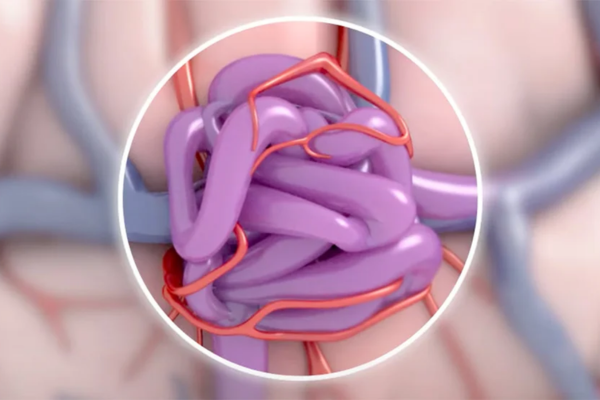
Cranial vascular malformations are abnormal connections between arteries and veins in the brain, such as AVMs, DAVFs, pial AVFs, and carotid cavernous fistulas. These abnormal vessels disrupt normal blood flow and increase bleeding risk.
Embolization is a minimally invasive treatment that blocks abnormal vessels using specialized agents. It restores normal circulation, reduces hemorrhage risk, and protects healthy brain tissue.
Cranial vascular malformations may cause symptoms due to abnormal blood flow or bleeding. Early identification is important to prevent life-threatening complications. Timely embolization reduces neurological damage, prevents hemorrhage, and improves outcomes by safely eliminating abnormal vascular connections while preserving normal brain circulation and function.
Cranial embolization safely blocks abnormal brain vessels, reducing bleeding risk and neurological complications. It preserves healthy brain tissue, avoids open surgery, and improves long-term outcomes. The minimally invasive approach allows faster recovery, shorter hospital stay, and effective control of complex vascular malformations with improved patient safety and durable results.
AVMs, DAVFs, pial AVFs, and carotid cavernous fistulas.
No, it is a minimally invasive catheter-based procedure.
It may be curative or part of staged treatment.
Copyright © 2025 Dr. K S V Surya Teja Reddy – All Rights Reserved by Galaxy Tech Solutions