
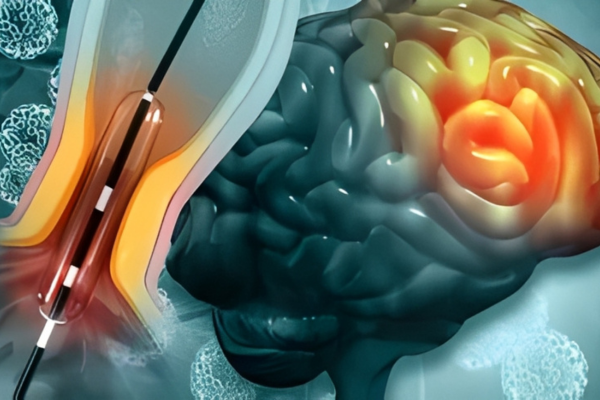
Balloon test occlusion is a diagnostic procedure used to evaluate whether the brain can safely tolerate permanent blockage of a major blood vessel. It is commonly performed before treating complex aneurysms, tumors, or vascular lesions requiring vessel sacrifice.
A temporary balloon is inflated inside the artery to stop blood flow while neurological function is monitored. This assessment helps prevent stroke by confirming adequate collateral circulation before definitive treatment.
Balloon test occlusion is advised when planned treatment may require permanent vessel closure. Careful evaluation is essential to avoid ischemic complications. BTO helps identify patients at risk of stroke, ensures treatment safety, and guides decision-making by confirming whether alternative blood flow pathways can adequately supply the brain during vessel occlusion.
Balloon test occlusion ensures patient safety by predicting brain tolerance to permanent vessel closure. It reduces stroke risk, guides treatment decisions, and prevents catastrophic ischemic complications. The minimally invasive test provides real-time neurological assessment, avoids unnecessary procedures, and supports safer outcomes for complex neurovascular interventions.
To assess if the brain can tolerate permanent vessel blockage.
Usually 30 to 60 minutes.
No, it is temporary and removed after testing.
Copyright © 2026 Dr. K S V Surya Teja Reddy – All Rights Reserved by Galaxy Tech Solutions