
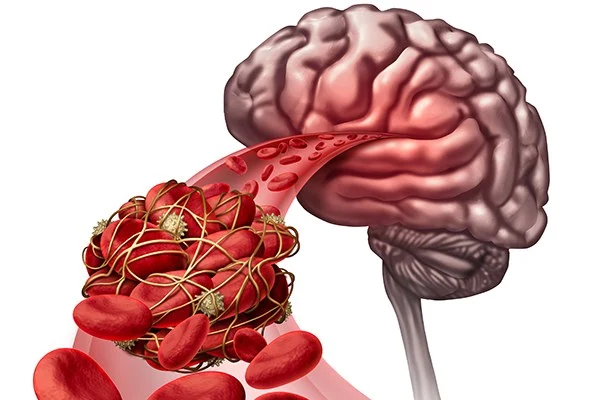
Venous sinus thrombosis occurs when blood clots block the brain’s venous sinuses, preventing normal blood drainage and increasing intracranial pressure. In some patients, symptoms worsen despite anticoagulant medications.
Thrombectomy is a minimally invasive procedure that physically removes the clot using catheter-based devices. It rapidly restores venous outflow, reduces brain swelling, and prevents serious neurological complications.
Resistant venous sinus thrombosis presents with severe or worsening symptoms despite medical therapy. Early intervention is critical to prevent brain damage. Mechanical thrombectomy restores venous circulation, lowers intracranial pressure, improves neurological status, and reduces the risk of hemorrhage or permanent disability in patients unresponsive to anticoagulation alone.
Venous sinus thrombectomy rapidly removes obstructing clots, restoring normal venous drainage and reducing intracranial pressure. It prevents neurological deterioration, improves recovery, and lowers mortality in severe cases. The minimally invasive approach avoids open surgery, shortens hospital stay, and offers effective treatment when medications alone are insufficient.
When venous sinus clots do not respond to anticoagulant treatment.
Yes, in patients with worsening neurological symptoms.
No, it is combined with anticoagulation therapy.
Copyright © 2026 Dr. K S V Surya Teja Reddy – All Rights Reserved by Galaxy Tech Solutions