
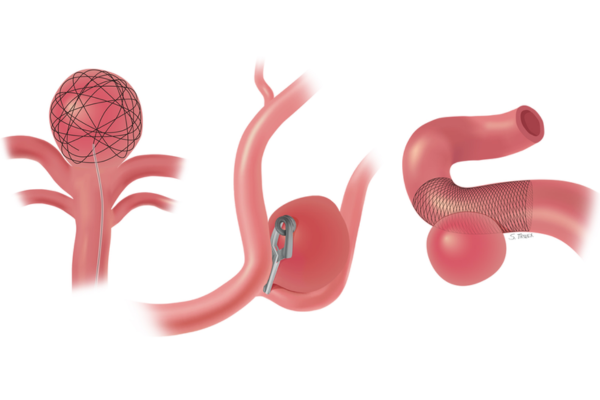
Aneurysm coiling is a minimally invasive procedure used to treat brain aneurysms by safely sealing them from inside the blood vessel. Through a small catheter inserted via the groin or wrist, soft platinum coils are placed into the aneurysm.
These coils reduce blood flow into the aneurysm, promote clot formation, and prevent rupture. The procedure avoids open brain surgery, reduces recovery time, and protects surrounding brain tissue effectively.
Aneurysm coiling is advised when aneurysms cause symptoms or are at risk of rupture. Symptoms vary based on size and location and may worsen suddenly. Early detection and treatment through coiling helps prevent bleeding, neurological damage, and life-threatening complications while ensuring safer recovery and long-term protection.
Aneurysm coiling offers a minimally invasive alternative to open brain surgery, reducing trauma and recovery time. It effectively seals the aneurysm, lowers rupture risk, preserves normal blood flow, and minimizes neurological complications. Patients benefit from shorter hospital stays, faster return to daily activities, and improved overall safety and long-term outcomes.
To safely seal aneurysms and prevent rupture using a minimally invasive method.
Through a catheter guided into the aneurysm where coils are placed.
Most patients recover within days compared to open surgery.
Copyright © 2026 Dr. K S V Surya Teja Reddy – All Rights Reserved by Galaxy Tech Solutions