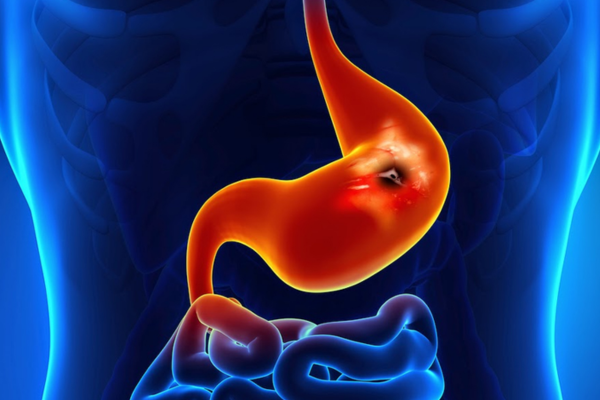
Upper and lower gastrointestinal bleeding can be life-threatening, presenting with vomiting blood, black stools, or severe weakness. It commonly occurs due to ulcers, tumors, or abnormal blood vessels.
Embolisation precisely blocks the bleeding vessel using catheters, controls bleeding rapidly, avoids emergency surgery, and stabilizes patients safely.
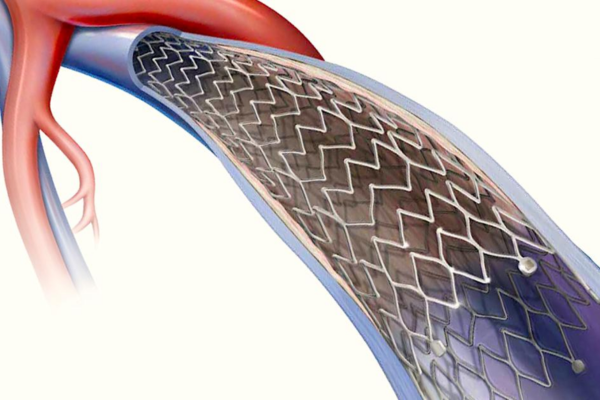
SMA narrowing reduces blood supply to the intestines, causing severe abdominal pain after meals and weight loss. This condition may progress to bowel ischemia if untreated.
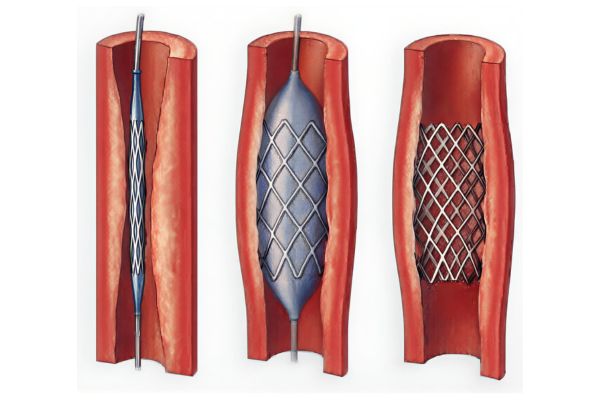
SMA stenting opens the narrowed artery, restores intestinal blood flow, relieves pain, and prevents serious bowel damage through a minimally invasive procedure.
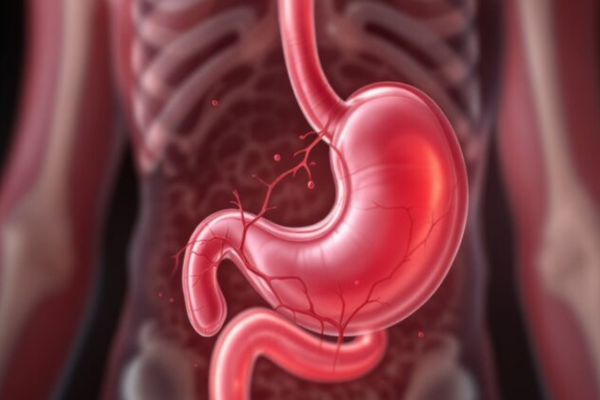
Severe or chronic pancreatitis can weaken nearby blood vessels, forming pseudoaneurysms that may rupture suddenly and cause massive internal bleeding.
Embolisation seals the weakened vessel safely, prevents rupture, controls bleeding effectively, and avoids major surgery while protecting surrounding organs.
Budd-Chiari syndrome occurs when hepatic veins or the inferior vena cava are blocked, leading to liver swelling, pain, and fluid accumulation.
Stenting restores venous outflow from the liver, relieves symptoms, improves liver function, and prevents progressive liver failure.
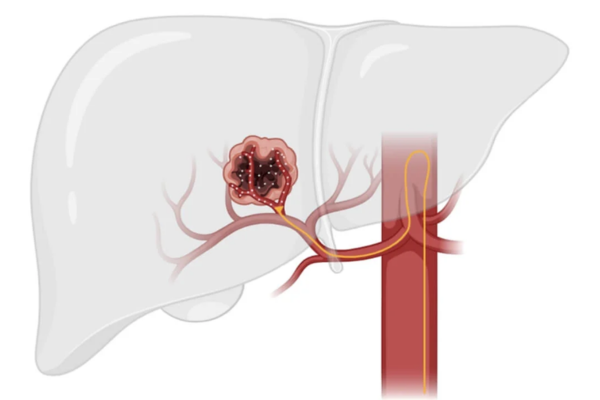
Hepatocellular carcinoma is a primary liver cancer often associated with cirrhosis or chronic liver disease. Surgery may not be possible in many patients.
TACE delivers chemotherapy directly to the tumor and blocks its blood supply, slowing growth while preserving healthy liver tissue.
Blocked bile ducts cause jaundice, itching, infection, and liver dysfunction due to stones, strictures, or tumors.
PTBD relieves obstruction by draining bile externally or internally, reduces infection risk, improves liver function, and stabilizes patients for further treatment.
Copyright © 2026 Dr. K S V Surya Teja Reddy – All Rights Reserved by Galaxy Tech Solutions